


What unique advantages do brass gold-plated luxury jewelry offer in enhancing jewelry's luster?
Release Time : 2026-05-09
In the field of modern fashion jewelry and accessible luxury jewelry design, custom production of brass gold-plated luxury jewelry has gradually become a highly competitive category in the market due to its outstanding visual appeal and cost advantages. Among these advantages, "luster performance" is one of the important indicators for measuring the quality of jewelry.
1. The gold-plated surface provides a high-reflectivity luster effect.
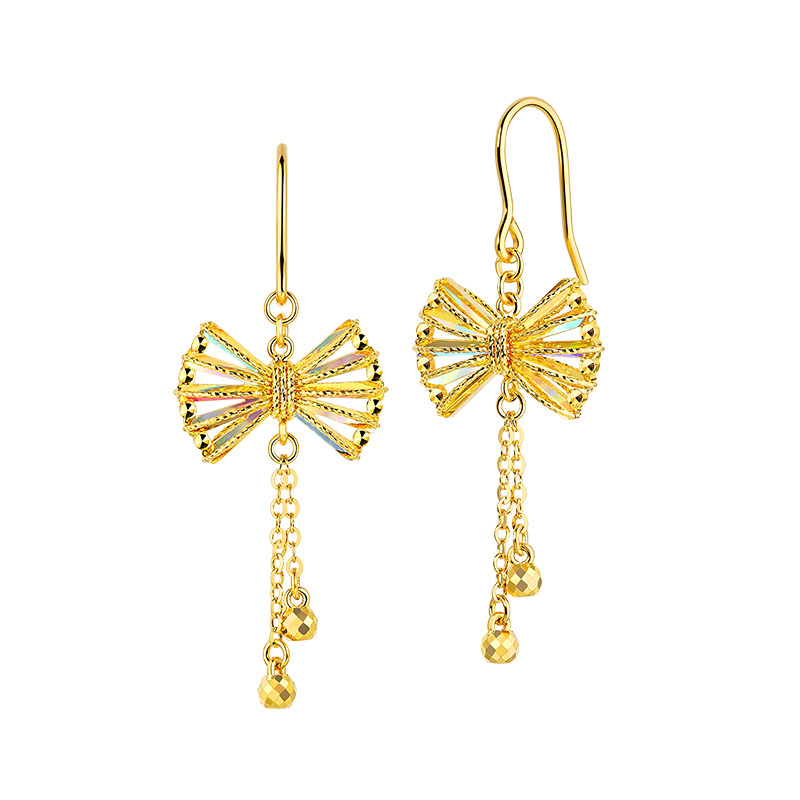
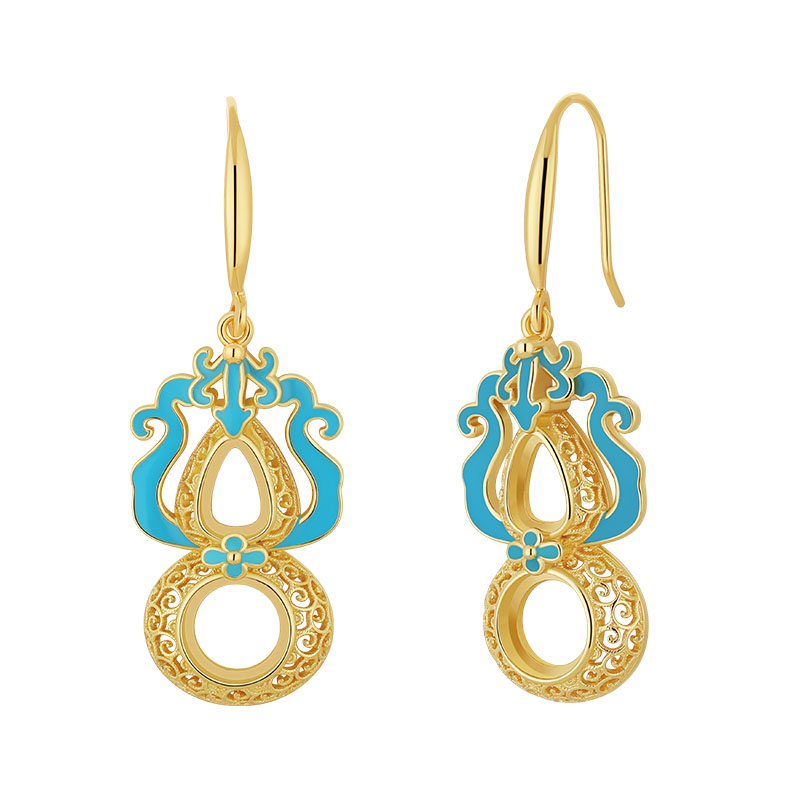
Brass, as the base material, has good machinability. After being treated with gold plating, a uniform and dense metallic film is formed. This plating significantly enhances light reflection, giving the jewelry surface a high-gloss luster effect close to that of precious metals. Under light, the gold plating layer produces a stronger specular reflection, making the overall visual effect brighter and fuller, enhancing the sense of luxury.
2. Color layering enhances the visual sophistication.
Compared to single metals, brass gold-plated jewelry offers a greater sense of layering in color expression. The brass base has a slightly warm tone, while the outer gold plating provides a pure golden luster. The combination creates a soft yet deep visual transition. This multi-layered optical reflection structure allows the jewelry to exhibit subtle changes under different lighting conditions, thus enhancing its overall texture and artistic expression.
3. Enhanced Smoothness Through Surface Treatment
Before gold plating, the brass surface typically undergoes fine polishing and electrolytic treatment to achieve a high degree of flatness. This high-smoothness surface provides a good adhesion base for the gold plating layer, making the metal plating more uniform and delicate, thereby reducing light scattering and further enhancing the purity and continuity of the overall luster, making the jewelry look more refined.
4. Improved Long-Lasting Luster Through Optical Stability
High-quality gold plating not only pursues initial luster but also emphasizes long-term stability. By optimizing the thickness and density of the plating layer, oxidation and fading can be effectively reduced, allowing the jewelry to maintain a high level of luster even after long-term wear. This stable optical performance makes brass-plated gold jewelry visually closer to the lasting quality of high-end precious metal jewelry.
5. Enhanced Visual Expression Through Multi-Process Combination
In modern jewelry design, brass gold plating is often combined with surface treatments such as brushing, sandblasting, or partial polishing. The differences in luster across different areas create rich visual layers. For example, high-gloss areas highlight core design elements, while matte areas provide a backdrop, giving the overall design a more three-dimensional and artistically compelling look, further enhancing the layered effect of the luster.
In conclusion, custom production of brass gold-plated luxury jewelry achieves a balance of visual luxury and detailed expression by leveraging multiple advantages, including high-reflectivity gold plating, color layering, meticulous surface treatment, optical stability, and the combination of multiple processes. This comprehensive approach gives it unique aesthetic value and application advantages in the accessible luxury jewelry market.
1. The gold-plated surface provides a high-reflectivity luster effect.
Brass, as the base material, has good machinability. After being treated with gold plating, a uniform and dense metallic film is formed. This plating significantly enhances light reflection, giving the jewelry surface a high-gloss luster effect close to that of precious metals. Under light, the gold plating layer produces a stronger specular reflection, making the overall visual effect brighter and fuller, enhancing the sense of luxury.
2. Color layering enhances the visual sophistication.
Compared to single metals, brass gold-plated jewelry offers a greater sense of layering in color expression. The brass base has a slightly warm tone, while the outer gold plating provides a pure golden luster. The combination creates a soft yet deep visual transition. This multi-layered optical reflection structure allows the jewelry to exhibit subtle changes under different lighting conditions, thus enhancing its overall texture and artistic expression.
3. Enhanced Smoothness Through Surface Treatment
Before gold plating, the brass surface typically undergoes fine polishing and electrolytic treatment to achieve a high degree of flatness. This high-smoothness surface provides a good adhesion base for the gold plating layer, making the metal plating more uniform and delicate, thereby reducing light scattering and further enhancing the purity and continuity of the overall luster, making the jewelry look more refined.
4. Improved Long-Lasting Luster Through Optical Stability
High-quality gold plating not only pursues initial luster but also emphasizes long-term stability. By optimizing the thickness and density of the plating layer, oxidation and fading can be effectively reduced, allowing the jewelry to maintain a high level of luster even after long-term wear. This stable optical performance makes brass-plated gold jewelry visually closer to the lasting quality of high-end precious metal jewelry.
5. Enhanced Visual Expression Through Multi-Process Combination
In modern jewelry design, brass gold plating is often combined with surface treatments such as brushing, sandblasting, or partial polishing. The differences in luster across different areas create rich visual layers. For example, high-gloss areas highlight core design elements, while matte areas provide a backdrop, giving the overall design a more three-dimensional and artistically compelling look, further enhancing the layered effect of the luster.
In conclusion, custom production of brass gold-plated luxury jewelry achieves a balance of visual luxury and detailed expression by leveraging multiple advantages, including high-reflectivity gold plating, color layering, meticulous surface treatment, optical stability, and the combination of multiple processes. This comprehensive approach gives it unique aesthetic value and application advantages in the accessible luxury jewelry market.