



How to ensure precision and reduce surface oxidation in the intricate engraving process of brass gold-plated luxury jewelry?
Release Time : 2026-05-22
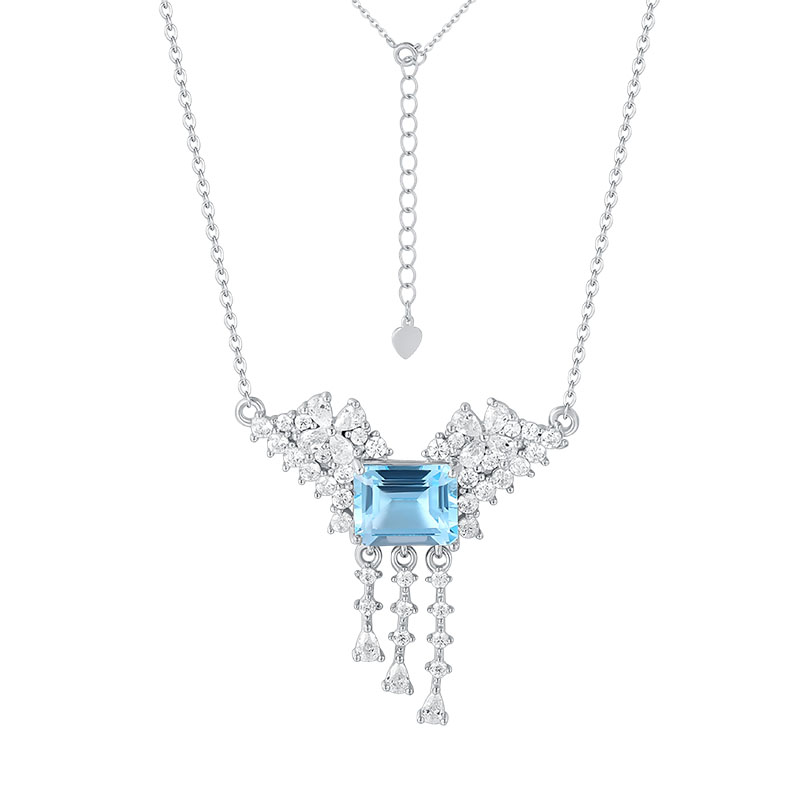
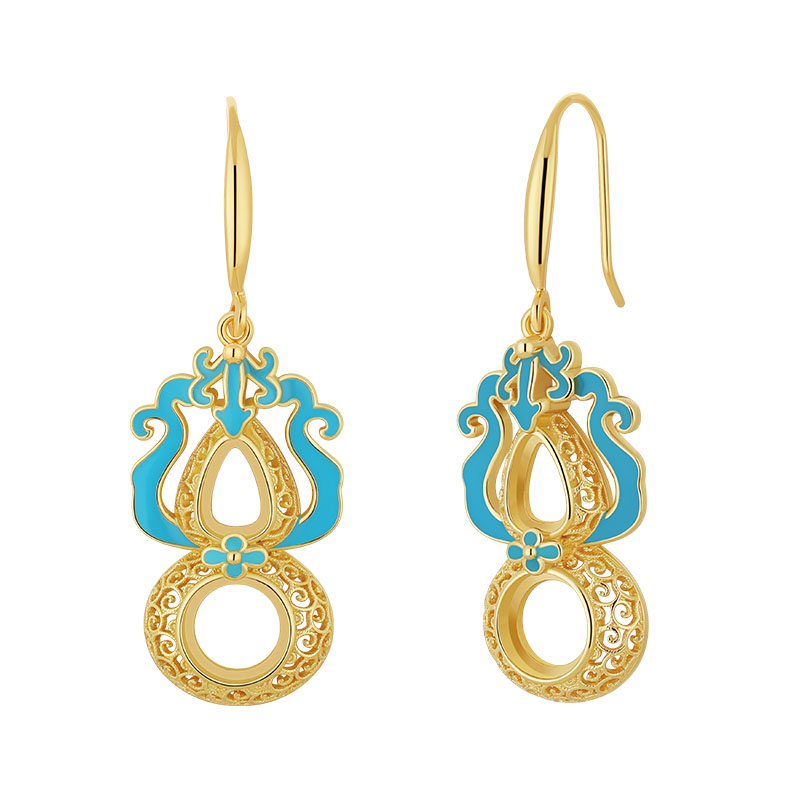
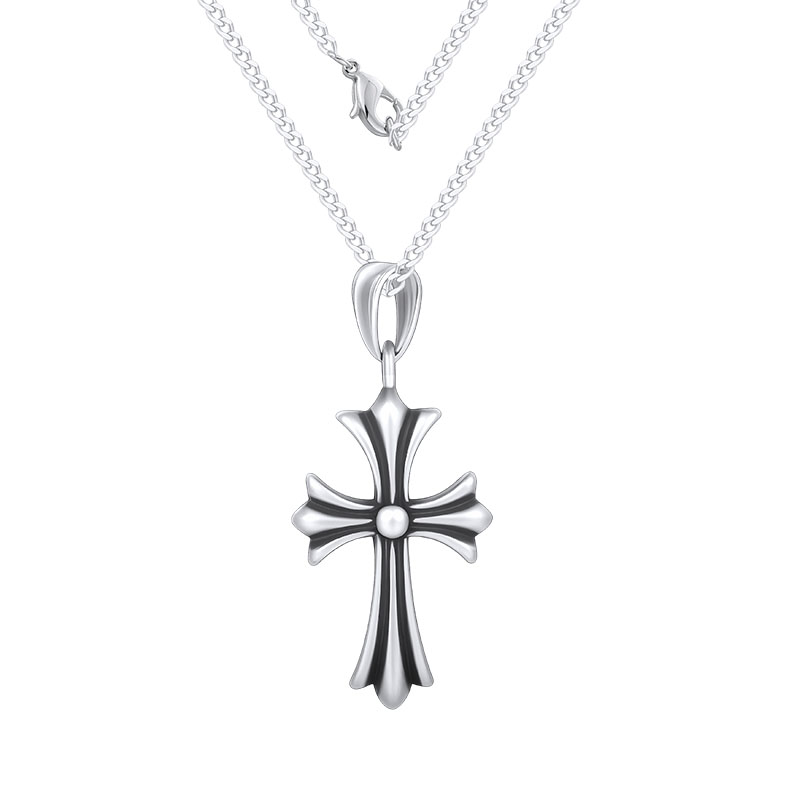
In the modern accessible luxury jewelry market, brass gold-plated luxury jewelry is widely used in necklaces, rings, earrings, and fashion accessories due to its combination of metallic texture, design expressiveness, and high cost-effectiveness. Especially in intricate engraving designs, fine textures and three-dimensional shapes can significantly enhance the artistry and sophistication of the jewelry.
1. Optimizing Engraving Techniques to Enhance Detail
Complex engraving techniques demand extremely high processing precision. Inconsistent processing methods can easily lead to the loss of pattern details or insufficient three-dimensional depth. Therefore, optimizing the engraving process is crucial. Currently, many high-end brass gold-plated jewelry pieces utilize precision CNC engraving and laser engraving technologies. High-precision equipment is used to achieve micro-texture processing, making the edges of the patterns clearer and smoother. Simultaneously, in complex three-dimensional designs, lost-wax casting is often incorporated to improve the overall structural fidelity, thereby enhancing the artistic expression of the jewelry. Furthermore, in the later finishing stages, meticulous manual polishing and grinding can further enhance the texture and depth, making the overall appearance more refined.
2. Improve Substrate Treatment Quality to Enhance Plating Stability
Brass itself has good processing properties, but insufficient surface treatment can easily affect the subsequent gold plating effect and even lead to localized oxidation. Therefore, strengthening substrate pretreatment is also very important. Before gold plating, the brass surface usually needs to be degreased, polished, and acid-washed to remove impurities and oxide layers, allowing the plating to adhere more evenly. At the same time, increasing surface smoothness also improves the luster and fineness after gold plating. Furthermore, in some high-end jewelry crafts, an anti-oxidation transition layer, such as a nickel or palladium plating layer, is added to reduce the direct contact between the brass and air, improving overall stability.
3. Optimize Gold Plating Process to Reduce Surface Oxidation
The gold plating layer not only determines the appearance and texture of jewelry but also directly affects its oxidation resistance. If the plating layer is too thin or has insufficient adhesion, fading or oxidation can easily occur after long-term wear. Therefore, improving the gold plating process is crucial. Currently, many luxury brass jewelry pieces use thick gold plating technology to improve the uniformity of the gold layer coverage, thereby enhancing wear resistance and oxidation resistance. Meanwhile, optimizing the electroplating current and time control can reduce micropores on the plating surface, preventing air and moisture penetration. Furthermore, some high-quality products incorporate a transparent protective coating to further isolate the jewelry from external environmental influences and enhance its long-term luster.
4. Strengthening Daily Protection to Enhance Longevity
Besides optimizing the manufacturing process, post-production maintenance also affects the anti-oxidation effect of brass gold-plated jewelry. Prolonged contact with sweat, perfume, or humid environments can accelerate surface aging. Therefore, strengthening daily protection is crucial. In product design, optimizing the structure can reduce the accumulation of dirt in crevices, thereby lowering the risk of oxidation. Simultaneously, using moisture-proof sealed bags or anti-oxidation packaging materials during packaging and storage can reduce air contact. In addition, consumers should avoid direct contact with chemicals during daily wear and regularly clean the surface with a soft cloth to effectively extend the jewelry's luster.
Overall, achieving high detail precision and good anti-oxidation performance in the complex engraving process of brass gold-plated luxury jewelry requires comprehensive optimization from multiple aspects, including engraving techniques, substrate treatment, gold plating technology, and post-production protection. By improving processing precision, enhancing coating stability, reducing oxidation risks, and strengthening long-term maintenance, the overall quality of jewelry can be effectively improved, providing the affordable luxury jewelry market with more exquisite, durable, and artistic products.
1. Optimizing Engraving Techniques to Enhance Detail
Complex engraving techniques demand extremely high processing precision. Inconsistent processing methods can easily lead to the loss of pattern details or insufficient three-dimensional depth. Therefore, optimizing the engraving process is crucial. Currently, many high-end brass gold-plated jewelry pieces utilize precision CNC engraving and laser engraving technologies. High-precision equipment is used to achieve micro-texture processing, making the edges of the patterns clearer and smoother. Simultaneously, in complex three-dimensional designs, lost-wax casting is often incorporated to improve the overall structural fidelity, thereby enhancing the artistic expression of the jewelry. Furthermore, in the later finishing stages, meticulous manual polishing and grinding can further enhance the texture and depth, making the overall appearance more refined.
2. Improve Substrate Treatment Quality to Enhance Plating Stability
Brass itself has good processing properties, but insufficient surface treatment can easily affect the subsequent gold plating effect and even lead to localized oxidation. Therefore, strengthening substrate pretreatment is also very important. Before gold plating, the brass surface usually needs to be degreased, polished, and acid-washed to remove impurities and oxide layers, allowing the plating to adhere more evenly. At the same time, increasing surface smoothness also improves the luster and fineness after gold plating. Furthermore, in some high-end jewelry crafts, an anti-oxidation transition layer, such as a nickel or palladium plating layer, is added to reduce the direct contact between the brass and air, improving overall stability.
3. Optimize Gold Plating Process to Reduce Surface Oxidation
The gold plating layer not only determines the appearance and texture of jewelry but also directly affects its oxidation resistance. If the plating layer is too thin or has insufficient adhesion, fading or oxidation can easily occur after long-term wear. Therefore, improving the gold plating process is crucial. Currently, many luxury brass jewelry pieces use thick gold plating technology to improve the uniformity of the gold layer coverage, thereby enhancing wear resistance and oxidation resistance. Meanwhile, optimizing the electroplating current and time control can reduce micropores on the plating surface, preventing air and moisture penetration. Furthermore, some high-quality products incorporate a transparent protective coating to further isolate the jewelry from external environmental influences and enhance its long-term luster.
4. Strengthening Daily Protection to Enhance Longevity
Besides optimizing the manufacturing process, post-production maintenance also affects the anti-oxidation effect of brass gold-plated jewelry. Prolonged contact with sweat, perfume, or humid environments can accelerate surface aging. Therefore, strengthening daily protection is crucial. In product design, optimizing the structure can reduce the accumulation of dirt in crevices, thereby lowering the risk of oxidation. Simultaneously, using moisture-proof sealed bags or anti-oxidation packaging materials during packaging and storage can reduce air contact. In addition, consumers should avoid direct contact with chemicals during daily wear and regularly clean the surface with a soft cloth to effectively extend the jewelry's luster.
Overall, achieving high detail precision and good anti-oxidation performance in the complex engraving process of brass gold-plated luxury jewelry requires comprehensive optimization from multiple aspects, including engraving techniques, substrate treatment, gold plating technology, and post-production protection. By improving processing precision, enhancing coating stability, reducing oxidation risks, and strengthening long-term maintenance, the overall quality of jewelry can be effectively improved, providing the affordable luxury jewelry market with more exquisite, durable, and artistic products.