



S925 silver fashion jewelry zài xiāngqiàn bǎoshí huò gào shí gōngyì zhōng, rúhé tígāo xiāngqiàn láogù dù bìng bǎochí zhěngtǐ měiguānxìng? S925 silver fashion jewelry chéngwéi xiāngqiàn bǎoshí hé gào
Release Time : 2026-05-29
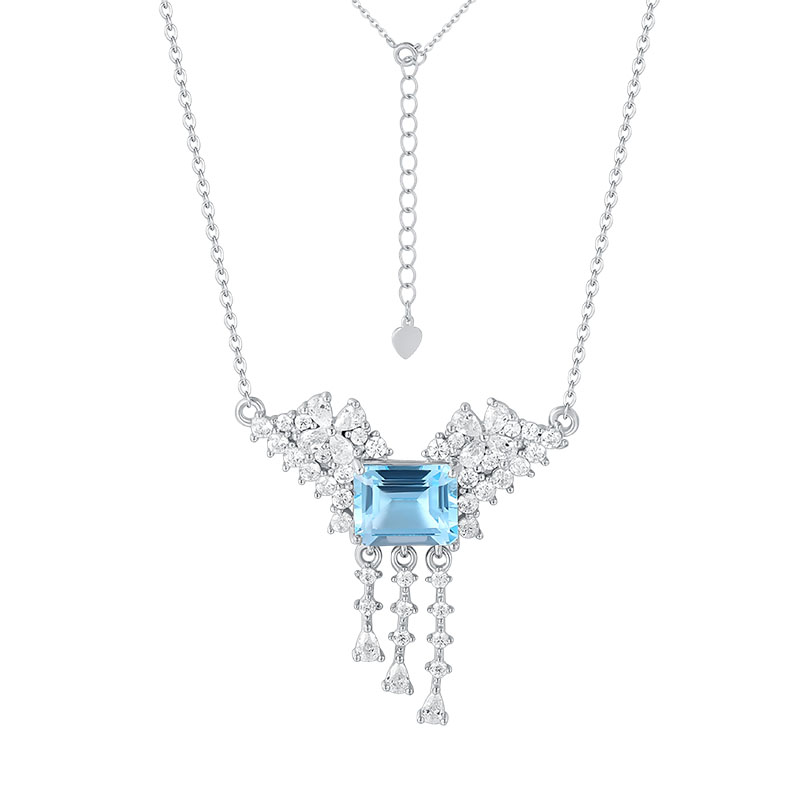
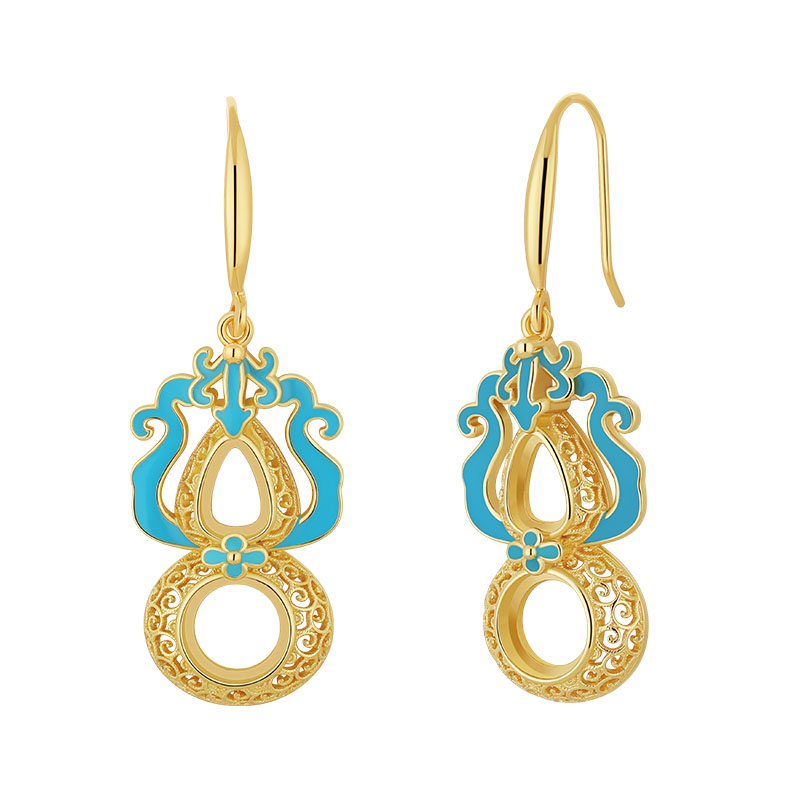
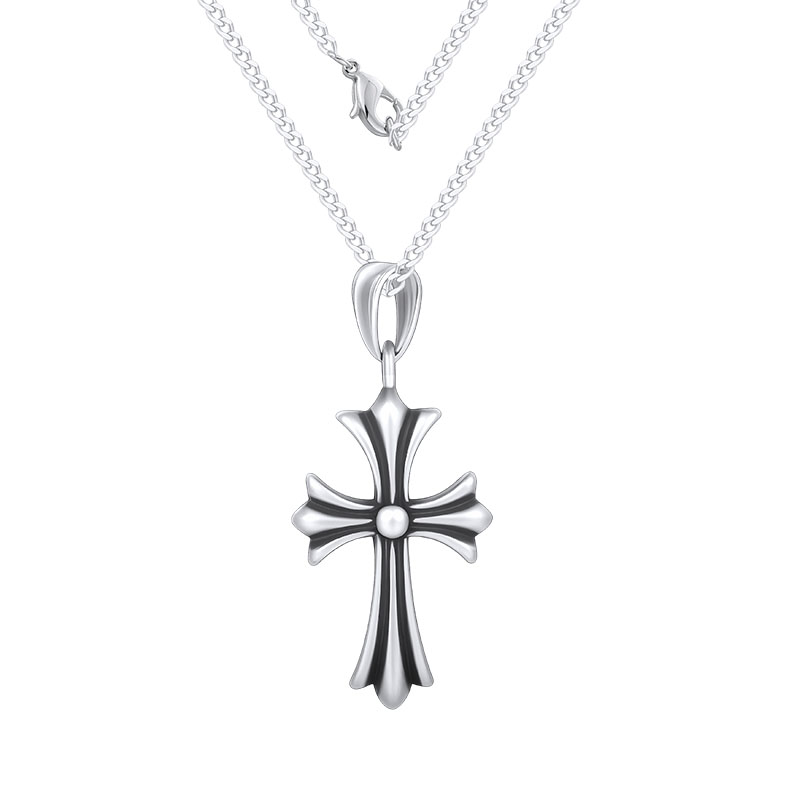
S925 silver fashion jewelry has become an important material for jewelry featuring gemstones and zircon. Whether it's a ring, necklace, earrings, or bracelet, the setting technique directly affects the product's quality and wearing experience.
1. Optimize Setting Structure Design to Enhance Fixation
The setting structure is the core factor determining the stability of the gemstone. During the design process, the appropriate setting method should be selected based on the size, shape, and cut of the gemstone. For example, prong setting, bezel setting, channel setting, and micro-pave setting each have their own characteristics. A reasonable design of the number, angle, and force distribution of prongs can make the gemstone more evenly stressed, reducing loosening caused by excessive local pressure. At the same time, a scientific structural layout can maximize the gemstone's luster and fire while ensuring security.
2. Improve the Precision of the S925 Silver Base to Enhance Fit
The fit between the gemstone and the setting directly affects the setting stability. If the setting size error is large, even with subsequent finishing processes, wobbling may occur. Therefore, the precision of the setting process needs to be improved during manufacturing to ensure a high degree of match with the gemstone's base contour. A precise fit increases the contact area, improving the securing effect while avoiding excessive gaps that could detract from the overall refined appearance.
3. Strengthening Prong Setting Control for Long-Term Stability
Prongs are the most common securing method in many pieces of jewelry, and their quality directly affects the security of the gemstone. During the process, the thickness, length, and coverage angle of the prongs should be controlled to securely lock the gemstone without obstructing too much light. Through fine grinding and polishing, a natural transition can be achieved between the prongs and the gemstone, improving not only security but also the overall visual appeal.
4. Optimizing Material Properties to Enhance Structural Strength
S925 silver has good ductility and workability, but sufficient strength is still required in complex setting structures. Optimizing the alloy ratio and heat treatment process can improve the hardness and deformation resistance of the silver material, ensuring the stability of the setting structure during long-term wear. Simultaneously, strengthening key stress-bearing areas helps reduce the risk of gemstone loosening due to impacts or friction.
5. Enhance Overall Aesthetics with Refined Surface Treatment
Besides durability, the visual appeal of jewelry is equally important. After setting, processes such as mirror polishing, partial brushing, and electroplating can further enhance the luster and depth of S925 silver. Refined surface treatment not only enhances the texture of the jewelry but also creates a more natural visual fusion between the gemstones and the metal, thereby improving the overall design aesthetics and market competitiveness.
6. Strengthen Quality Inspection to Ensure Setting Reliability
To ensure the long-term stability of the product, a comprehensive quality inspection system is necessary. Through tensile testing, vibration testing, and simulated wearing tests, the setting structure is comprehensively evaluated to identify potential problems promptly. Strict quality control not only helps improve product reliability but also reduces after-sales risks and enhances consumer trust.
Improving the quality of S925 silver fashion jewelry in gemstone or zircon setting requires balancing structural durability with visual aesthetics. By optimizing the setting structure design, improving the precision of the setting base, strengthening the control of the prongs, improving material properties, perfecting surface treatment, and strengthening quality inspection, the reliability of gemstone fixation can be effectively improved while maintaining the exquisite appearance and fashionable charm of the jewelry.
1. Optimize Setting Structure Design to Enhance Fixation
The setting structure is the core factor determining the stability of the gemstone. During the design process, the appropriate setting method should be selected based on the size, shape, and cut of the gemstone. For example, prong setting, bezel setting, channel setting, and micro-pave setting each have their own characteristics. A reasonable design of the number, angle, and force distribution of prongs can make the gemstone more evenly stressed, reducing loosening caused by excessive local pressure. At the same time, a scientific structural layout can maximize the gemstone's luster and fire while ensuring security.
2. Improve the Precision of the S925 Silver Base to Enhance Fit
The fit between the gemstone and the setting directly affects the setting stability. If the setting size error is large, even with subsequent finishing processes, wobbling may occur. Therefore, the precision of the setting process needs to be improved during manufacturing to ensure a high degree of match with the gemstone's base contour. A precise fit increases the contact area, improving the securing effect while avoiding excessive gaps that could detract from the overall refined appearance.
3. Strengthening Prong Setting Control for Long-Term Stability
Prongs are the most common securing method in many pieces of jewelry, and their quality directly affects the security of the gemstone. During the process, the thickness, length, and coverage angle of the prongs should be controlled to securely lock the gemstone without obstructing too much light. Through fine grinding and polishing, a natural transition can be achieved between the prongs and the gemstone, improving not only security but also the overall visual appeal.
4. Optimizing Material Properties to Enhance Structural Strength
S925 silver has good ductility and workability, but sufficient strength is still required in complex setting structures. Optimizing the alloy ratio and heat treatment process can improve the hardness and deformation resistance of the silver material, ensuring the stability of the setting structure during long-term wear. Simultaneously, strengthening key stress-bearing areas helps reduce the risk of gemstone loosening due to impacts or friction.
5. Enhance Overall Aesthetics with Refined Surface Treatment
Besides durability, the visual appeal of jewelry is equally important. After setting, processes such as mirror polishing, partial brushing, and electroplating can further enhance the luster and depth of S925 silver. Refined surface treatment not only enhances the texture of the jewelry but also creates a more natural visual fusion between the gemstones and the metal, thereby improving the overall design aesthetics and market competitiveness.
6. Strengthen Quality Inspection to Ensure Setting Reliability
To ensure the long-term stability of the product, a comprehensive quality inspection system is necessary. Through tensile testing, vibration testing, and simulated wearing tests, the setting structure is comprehensively evaluated to identify potential problems promptly. Strict quality control not only helps improve product reliability but also reduces after-sales risks and enhances consumer trust.
Improving the quality of S925 silver fashion jewelry in gemstone or zircon setting requires balancing structural durability with visual aesthetics. By optimizing the setting structure design, improving the precision of the setting base, strengthening the control of the prongs, improving material properties, perfecting surface treatment, and strengthening quality inspection, the reliability of gemstone fixation can be effectively improved while maintaining the exquisite appearance and fashionable charm of the jewelry.